
Maximilian Farma
Undergraduate Student
Memorial Sloan Kettering Cancer Center
Rydal, Pennsylvania, United States

Maria A. Sierra, MD, MPH
Research Fellow
University of Miami
Miami, Florida, United States

Peter Borowsky, MD (he/him/his)
Department of Surgery
University of Miami
Miami, Florida, United States
Elizabeth Reguero Hernandez, MD
Department of Surgery
University of Miami
Miami, Florida, United States
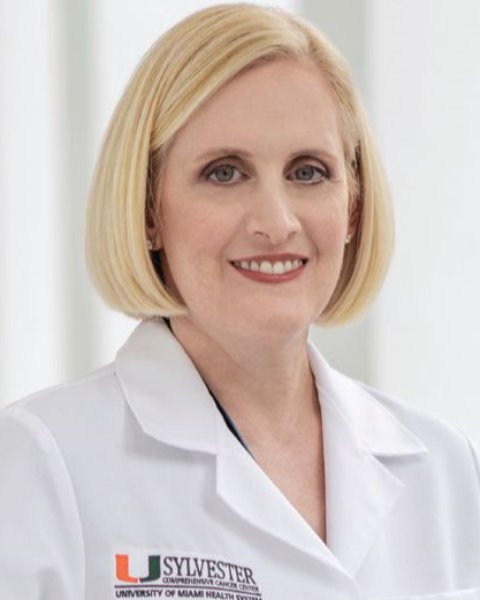
Susan B. Kesmodel, MD
Department of Surgery
Univeristy of Miami
Miami, Florida, United States
Neha Goel, MD, MPH
Breast Service, Department of Surgery
Memorial Sloan Kettering Cancer Center
New York, New York, United States
Many patients have unmet social needs that may affect their health care utilization and postoperative outcomes. We sought to prospectively examine the association between unmet social needs and postoperative complications or hospital readmissions within 30 days of surgery in patients with breast cancer.
Methods:
From 2019-2025, patients were prospectively enrolled at an NCI-designated cancer center and a sister safety-net hospital. Women with stage I-III BCa who underwent surgery were included in the analysis. Patients completed the Health Leads Social Needs Screening Toolkit, a national screening approach to gathering information regarding prevalent social needs domains affecting patient health. Patients were grouped into two categories: no unmet social needs and unmet social needs. Univariable and multivariable logistic regression were utilized to evaluate the association between unmet social needs and postoperative complications or readmission.
Results:
422 patients completed the Health Leads Social Needs Screening Toolkit. 232 (55%) had no unmet social needs, and 190 (45%) had unmet social needs. On univariable logistic regression, patients with unmet social needs were more likely to have a postoperative complication or readmission (OR 2.00 95% CI 1.13-3.61, p = 0.019). On multivariable logistic regression, controlling for age, insurance status (private vs public), body mass index, diabetes (yes/no), smoking status (current vs. never/former), receipt of neoadjuvant chemotherapy (yes/no), surgery type (lumpectomy vs mastectomy), and reconstruction (yes/no), patients presenting with any unmet social needs had higher odds of postoperative complications or readmission (OR 2.20 95% Cl 1.10-4.49; p= 0.027).
Conclusions:
In this prospective cohort study, patients presenting with unmet social needs had higher odds of postoperative complications or readmission compared to patients with no unmet social needs, independent of known comorbidities associated with postoperative complications and readmission. These findings demonstrate the importance of considering unmet social needs as a modifiable comorbidity associated with worse postoperative outcomes and readmission rates to improve healthcare utilization.