
.jpg "Olivia L. Sharp, MBBS MSc FRCS (Plast) photo")
Olivia L. Sharp, MBBS MSc FRCS (Plast)
Locum Consultant Plastic Surgeon
The Royal Marsden Hospital
London, England, United Kingdom
Francesca Ruccia, MD, FRCS (Plast)
Consultant Plastic Surgeon
The Royal Marsden Hospital
London, England, United Kingdom
Zayd Tippu, BSc(Hons), MBBS, MRCP, MD(Res)
Medical Oncology Registrar
The Royal Marsden Hospital
London, England, United Kingdom
Francesco Riva, MD FRCS
Consultant Head and Neck Surgeon
The Royal Marsden Hospital
London, England, United Kingdom
Vinidh Paleri, MS FRCS FRCSLT
Consultant Head & Neck Surgeon
The Royal Marsden Hospital and The Institute of Cancer Research
London, England, United Kingdom
Lisa Pickering, PhD, FRCP
Consultant Medical Oncologist
The Royal Marsden Hospital
London, England, United Kingdom
Andrew Furness, BSc (Hons.) MBBS MRCP PhD
Consultant Medical Oncologist and Solid Tumour Cellular therapy Lead
The Royal Marsden Hospital
London, England, United Kingdom
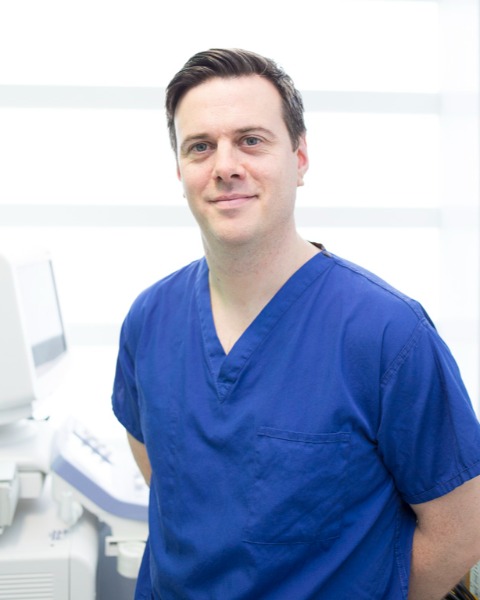
Myles J. Smith, MB BCh BAO, PhD, FRCSI, FRCS
Consultant Surgical Oncologist and General Surgeon,
Department of Surgery, The Royal Marsden Hospital and Institute of Cancer Research
London, England, United Kingdom
.jpg "Andrew J. Hayes, MA PhD FRCS (Gen) photo")
Andrew J. Hayes, MA PhD FRCS (Gen)
Consultant Surgeon
The Royal Marsden Hospital and The Institute of Cancer Research
London, England, United Kingdom
Kieran Power, MB BCh BAO, MSc Surg Sci., MSc Aesthetic Surgery, FRCS (Plast)
Consultant Plastic Surgeon
The Royal Marsden Hospital
London, England, United Kingdom
Twenty-five consecutive patients were included, with a median follow up of 16 months. The median age was 79 years (range 48- 90), and 88% of locally advanced cSCCs were in the head and neck. 96% of patients had mild or moderately severe ACE-27 comorbidity decompensation score. The ORR was 64%, comprising 11 complete and 5 partial responses. The median time to clinical response was three weeks. Among the 20 patients with operable disease, three (15%) underwent surgical resection for progressive disease with no surgical complications attributable to earlier cemiplimab exposure. In total, 85% of patients avoided surgical intervention. At the time of data-cut off, neither median progression free survival nor median overall survival had been reached. Immunotherapy-related toxicities of any grade occurred in 68% of patients, with grade 3 events observed in 14%, leading to one treatment discontinuation. 8 patients (32%) received oral corticosteroids during their treatment course for management of toxicity.
Conclusions: Cemiplimab continues to demonstrate robust activity in patients with advanced cSCC in this real-world population, with durable responses in long-term survivors. Salvage surgery appears feasible for patients with disease progression.