
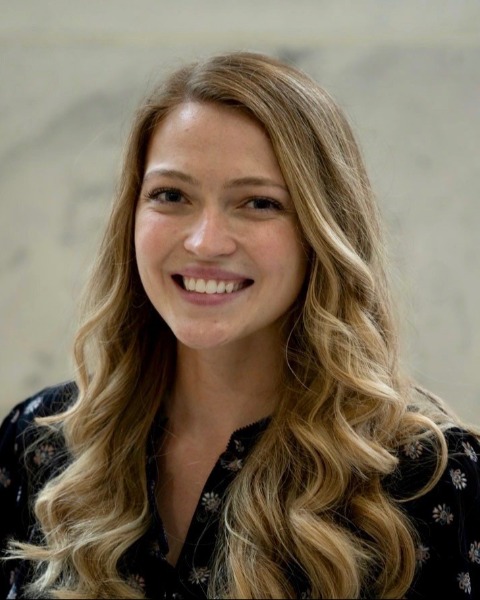
Ashlee N. Seldomridge, MD
T32 Research Fellow
Department of Surgical Oncology, University of Texas MD Anderson Cancer Center
Houston, Texas, United States
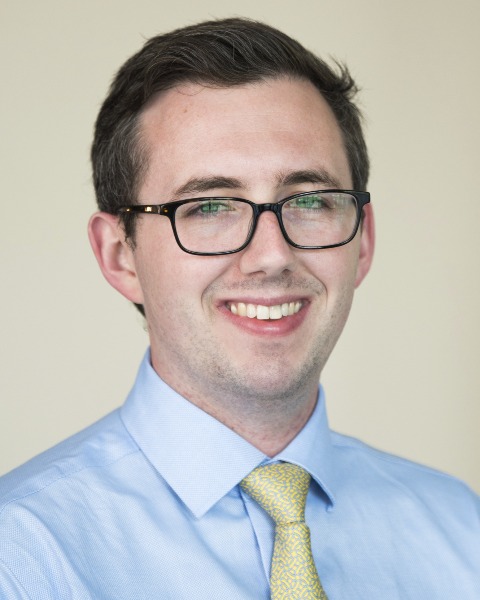
Ryan B. Morgan, MD
Fellow
MD Anderson Cancer Center
Houston, Texas, United States
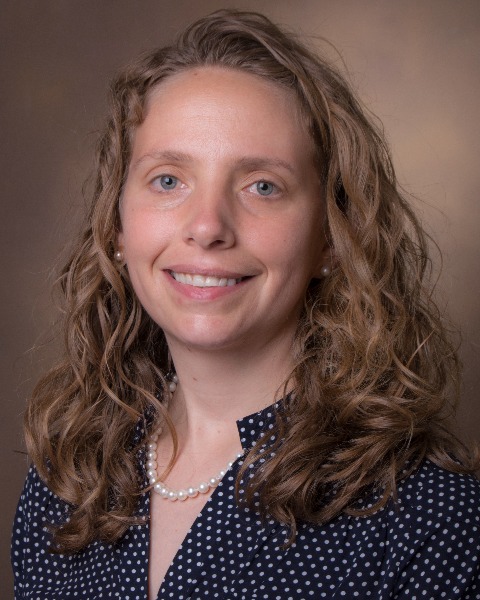
Beth A. Helmink, MD, PhD (she/her/hers)
Assistant Professor
Department of Surgical Oncology, University of Texas MD Anderson Cancer Center
Houston, Texas, United States
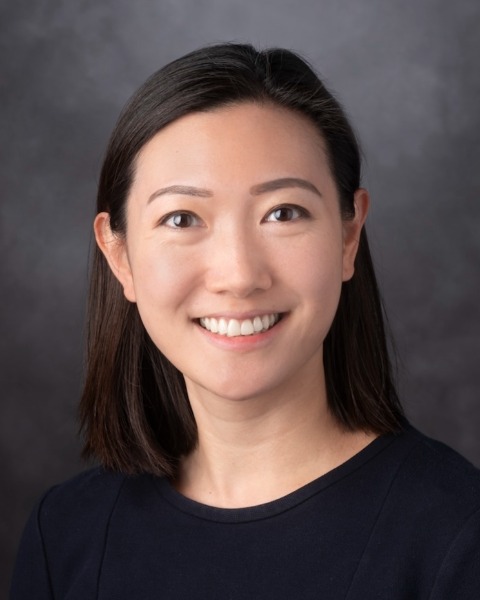
Yun Song, MD (she/her/hers)
Assistant Professor
Department of Surgical Oncology, University of Texas MD Anderson Cancer Center
Houston, Texas, United States
Paula Marincola Marincola Smith, MD, PhD
Assistant Professor of Surgery
Department of Colon & Rectal Surgery, University of Texas MD Anderson Cancer Center
Houston, Texas, United States
Paul F. Mansfield, MD
Professor
Department of Surgical Oncology, University of Texas MD Anderson Cancer Center
Houston, Texas, United States
Keith F. Fournier, MD
Associate Professor
Department of Surgical Oncology, University of Texas MD Anderson Cancer Center
Houston, Texas, United States
Mohamad Maher, PhD
Research Scientist
Division of Pathology and Laboratory Medicine, Department of Translational Molecular Pathology, The University of Texas MD Anderson Cancer Center, Houston, Texas, USA
Houston, Texas, United States
Shufang Wang, n/a
Sr. Research Assistant
Division of Pathology and Laboratory Medicine, Department of Translational Molecular Pathology, The University of Texas MD Anderson Cancer Center, Houston, Texas, USA
Houston, Texas, United States
Raja Luthra, PhD
Professor
Division of Pathology and Laboratory Medicine, Department of Hematopathology, The University of Texas MD Anderson Cancer Center, Houston, Texas, USA.
Houston, Texas, United States
Dzifa Y. Duose, PhD
Research Leader
Division of Pathology and Laboratory Medicine, Department of Translational Molecular Pathology, The University of Texas MD Anderson Cancer Center, Houston, Texas, USA.
Houston, Texas, United States
Sinchita Roy-Chowduri, MD PhD
Professor
Division of Pathology and Laboratory Medicine, Department of Translational Molecular Pathology, The University of Texas MD Anderson Cancer Center, Houston, Texas, USA. Division of Pathology and Laboratory Medicine, Department of Anatomical Pathology, The University of Texas MD Anderson Cancer Center, Houston, Texas, USA.
Houston, Texas, United States
Naruhiko Ikoma, MD, MS
Associate Professor
Department of Surgical Oncology, The University of Texas MD Anderson Cancer Center
Houston, Texas, United States

Brian Badgwell, MD, MS
Professor
University of Texas MD Anderson Cancer Center
Houston, Texas, United States
.jpg "Michael G. White, MD, MS photo")
Michael G. White, MD, MS
Assistant Professor, Director of Research
Department of Colon and Rectal Surgery, University of Texas MD Anderson Cancer Center
Houston, Texas, United States
.jpg "Taylor Neilson, MD photo")
Taylor Neilson, MD
Surgical Oncology T32 Research Fellow
Department of Surgical Oncology, The University of Texas MD Anderson Cancer Center, Houston TX, USA.
Houston, Texas, United States
Gastric cancer commonly metastasizes to the peritoneum, and guideline-directed staging includes diagnostic laparoscopy and cytology from peritoneal washings to identify stage IV disease. Cytology sensitivity, however, is limited even in the setting of gross metastatic disease. False negatives limit the utility of peritoneal washings, underscoring the need for more sensitive methods to detect occult peritoneal spread.
Methods:
We studied 24 patients with gastric cancer at a tertiary center who underwent diagnostic laparoscopy for gross inspection for peritoneal disease and washings. Peritoneal cell free DNA (pcfDNA) was extracted from peritoneal washing supernatant. Next generation sequencing (NGS) libraries were prepared with ThermoFisher Cancer Hotspot Panel v2 and analyzed using OncoSeek. Mutant alleles were identified based on the following criteria: minimum coverage of 250X, mutant allele frequency >5%, exclusion of silent and non-exonic variants, and removal of variants with < 25 supporting reads.
Results:
Of the 24 patients, 79.2% had poorly differentiated gastric cancer, 45.8% with signet ring histology, and all had localized disease on preoperative imaging. At time of the diagnostic laparoscopy 6/24 (25%) patients had gross disease, and 4/6 (66.7%) had positive cytology. Peritoneal disease developed in 2 patients not detected on laparoscopy, total 8/24 (33.3%) with peritoneal dissemination. pcfDNA was successfully extracted from all peritoneal washing supernatant samples. Variants were detected in 4 (100%) supernatant samples from patients with positive cytology, in 5 of 6 patients (83%) with gross peritoneal disease, and in 13 of 16 patients (81.3%) without peritoneal disease. Reported variants most frequently involved TP53, PTEN, APC, and CDKN2A. Although not statistically significant, pcfDNA improved the sensitivity of cytology in patients with positive peritoneal dissemination (4/8 vs 7/8, p=0.282).
Conclusions:
We re-demonstrated the limitations of peritoneal cytology in defining peritoneal metastatic gastric cancer and successfully extracted pcfDNA for sequencing in all 24 patients. Interestingly, in this pilot cohort, patients with gross peritoneal disease had improved sensitivity of washings with NGS (although not statistically significant), and there was concordance between NGS and positive cytology. The clinical implications of a positive pcfDNA in patients with negative cytology and appropriate clinical cutoffs defining pcfDNA positivity in patients without gross disease requires further prospective study.