
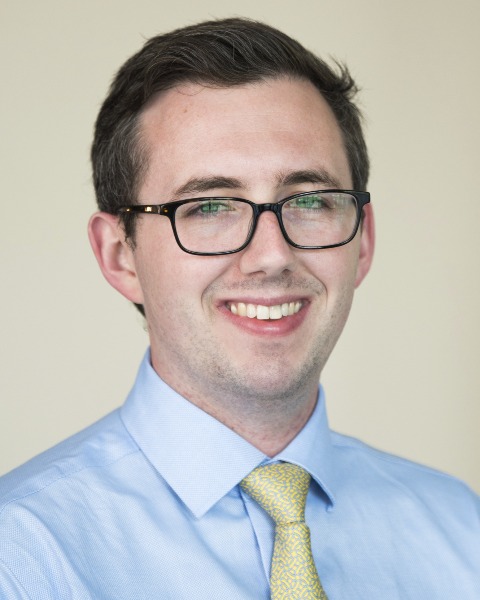
Ryan B. Morgan, MD
Fellow
MD Anderson Cancer Center
Houston, Texas, United States
.jpg "Taylor Neilson, MD photo")
Taylor Neilson, MD
Surgical Oncology T32 Research Fellow
Department of Surgical Oncology, The University of Texas MD Anderson Cancer Center, Houston TX, USA.
Houston, Texas, United States
Jason A. Willis, MD PhD
Assistant Professor
Department of Gastrointestinal Medical Oncology, The University of Texas MD Anderson Cancer Center
Houston, Texas, United States
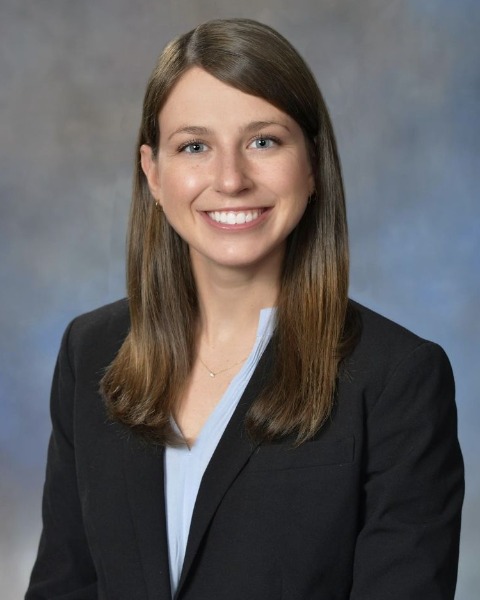
Stephanie S. Keeling, MD
T32 Research Fellow
University of Texas MD Anderson Cancer Center
Houston, Texas, United States
LaDonna Kearse, MD
Fellow
University of Texas MD Anderson Cancer Center
Houston, Texas, United States
Kilian Brown, MBBS, MPhil
Fellow
University of Texas MD Anderson Cancer Center
Houston, Texas, United States
Megan Delisle, MD, MPH
Fellow
University of Texas MD Anderson Cancer Center
Houston, Texas, United States
Kentaro Ochiai, MD, PhD
Postdoctoral Fellow
University of Texas MD Anderson Cancer Center
Houston, Texas, United States
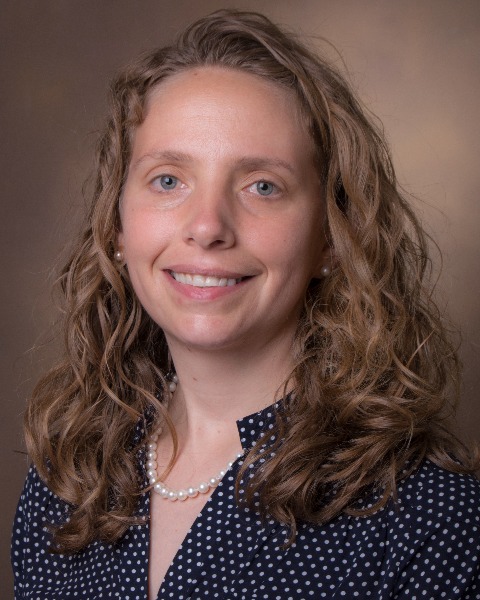
Beth A. Helmink, MD, PhD (she/her/hers)
Assistant Professor
Department of Surgical Oncology, University of Texas MD Anderson Cancer Center
Houston, Texas, United States
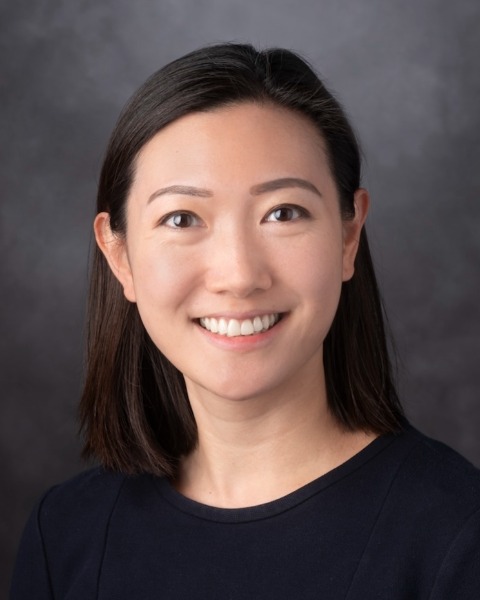
Yun Song, MD (she/her/hers)
Assistant Professor
Department of Surgical Oncology, University of Texas MD Anderson Cancer Center
Houston, Texas, United States
Y. Nancy You, MD, MHSc
Professor
University of Texas MD Anderson Cancer Center
Houston, Texas, United States
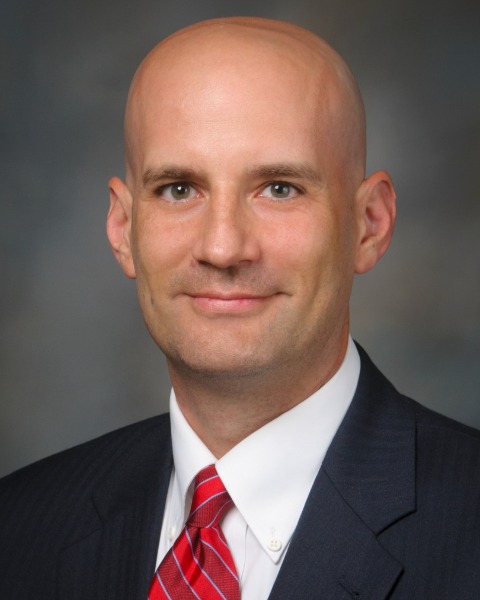
Brian K. Bednarski, MD (he/him/his)
Associate Professor
MD Anderson Cancer Center
Houston, Texas, United States
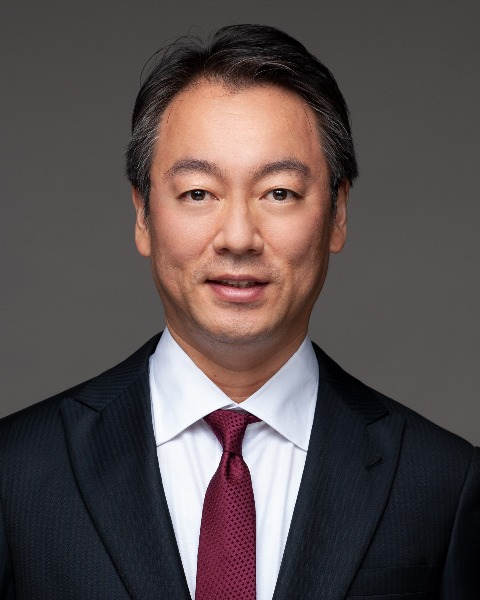
Tsuyoshi Konishi, MD, PhD
Associate Professor
University of Texas MD Anderson Cancer Center
Houston, Texas, United States
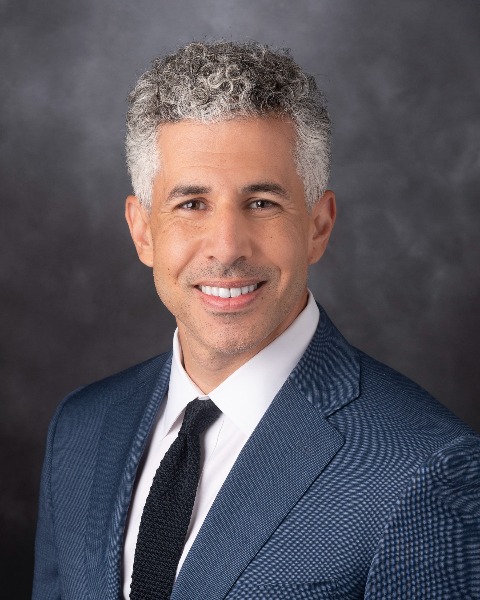
Ramy Behman, MD, PhD
Assistant Professor
University of Texas MD Anderson Cancer Center
Houston, Texas, United States
Jenny Moon, MD, MSc
Assistant Professor
University of Texas MD Anderson Cancer Center
Houston, Texas, United States
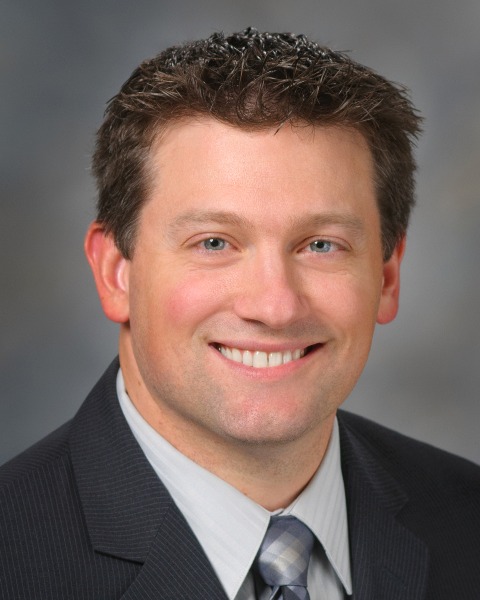
Craig A. Messick, MD
Associate Professor
University of Texas MD Anderson Cancer Center
Houston, Texas, United States
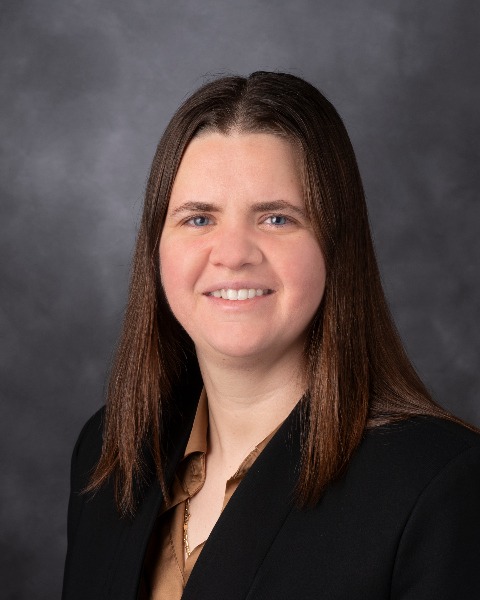
Montserrat Guraieb-Trueba, MD
Assistant Professor
University of Texas MD Anderson Cancer Center
Houston, Texas, United States
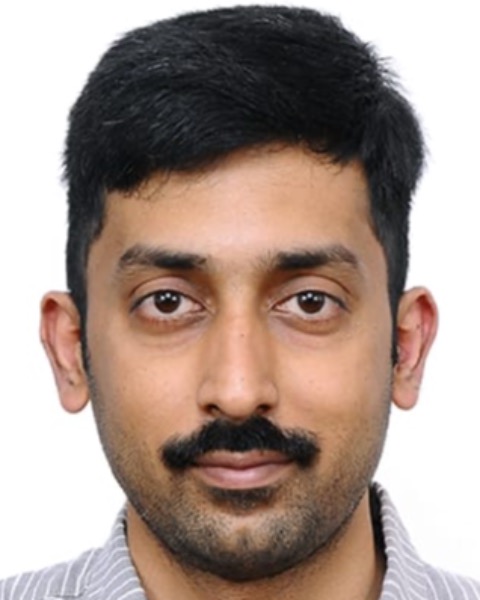
Jagan Ramamurthy, MD
Fellow
University of Texas MD Anderson Cancer Center
Houston, Texas, United States
Miguel Rodriguez-Bigas, MD
Professor
University of Texas MD Anderson Cancer Center
Houston, Texas, United States
George J. Chang, MD, MSc, MHCM
Professor
University of Texas MD Anderson Cancer Center
Houston, Texas, United States
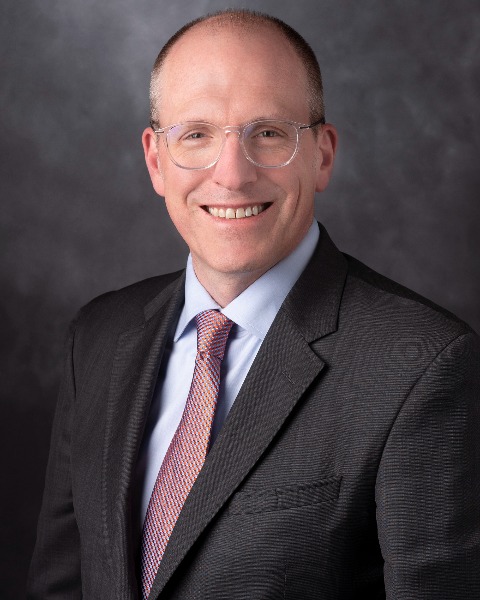
J. Joshua Smith, MD, PhD
Professor and Chair
Department of Colon & Rectal Surgery, University of Texas MD Anderson Cancer Center
Houston, Texas, United States
Paul F. Mansfield, MD
Professor
Department of Surgical Oncology, University of Texas MD Anderson Cancer Center
Houston, Texas, United States
Keith F. Fournier, MD
Associate Professor
Department of Surgical Oncology, University of Texas MD Anderson Cancer Center
Houston, Texas, United States
.jpg "Michael G. White, MD, MS photo")
Michael G. White, MD, MS
Assistant Professor, Director of Research
Department of Colon and Rectal Surgery, University of Texas MD Anderson Cancer Center
Houston, Texas, United States
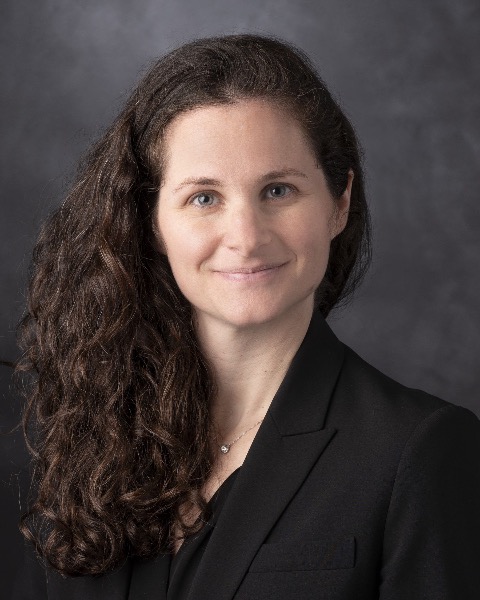
Paula Marincola Marincola Smith, MD, PhD
Assistant Professor of Surgery
Department of Colon & Rectal Surgery, University of Texas MD Anderson Cancer Center
Houston, Texas, United States