Fahima Dossa, MD PhD
Surgical Oncologist
Cedars-Sinai Medical Center
Los Angeles, California, United States
Robert Torphy, MD PhD
University of North Carolina
Chapel Hill, North Carolina, United States
Leonard B. Saltz, MD
Medical Oncologist
Memorial Sloan Kettering Cancer Center
New York, New York, United States
Louise C. Connell, MB BCh BAO
Attending
Memorial Sloan Kettering Cancer Center
New York, New York, United States
Andrea Cercek, MD
Attending
MEMORIAL SLOAN KETTERING CANCER CENTER
New York, New York, United States
Paul Romesser, MD
Memorial Sloan Kettering Cancer Center
New York, New York, United States
Christopher Crane, MD
Memorial Sloan Kettering Cancer Center
New York, New York, United States
Michael I. D’Angelica, MD
Enid A. Haupt Endowed Chair in Surgery, Professor
Hepatopancreatobiliary Service, Department of Surgery, Memorial Sloan Kettering Cancer Center, United States
T. Peter Kingham, MD
Professor
Memorial Sloan Kettering Cancer Center
New York, New York, United States
Philip B. Paty, MD
Attending Surgeon
Memorial Sloan Kettering Cancer Center
New York, New York, United States
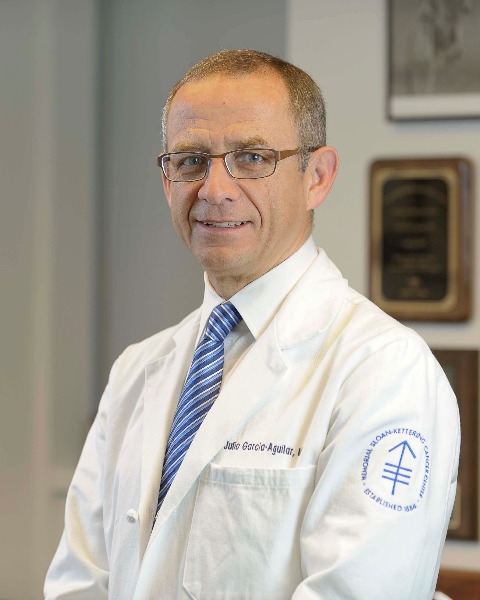
Julio Garcia-Aguilar, MD
Attending
Memorial Sloan Kettering
New York, New York, United States
William R. Jarnagin, MD
Chief of Hepatopancreatobiliary Surgery
MEMORIAL SLOAN KETTERING CANCER CENTER
New York, New York, United States
Mithat Gonen, PhD
Chief of Epidemiology and Biostatistics
Memorial Sloan Kettering Cancer Center
New York, New York, United States
Martin R. Weiser, MD
Attending Surgeon
Memorial Sloan Kettering Cancer Center
New York, New York, United States
Matthew B. Hill, MD
Research Fellow
Memorial Sloan Kettering Cancer Center
New York, New York, United States

Treatment of rectal cancer with synchronous metastasis to the liver (RCL) has evolved with adoption of total neoadjuvant therapy (TNT) and watch-and-wait (WW).
Methods:
An institutional database was searched for RCL diagnosed between 2011 and 2021. Overall survival (OS) and disease-free survival (DFS) with a preserved rectum were compared between patients diagnosed in 2011–2017 (early cohort) and patients diagnosed in 2018–2021, after institutional adoption of TNT and WW (late cohort).
Results:
Of 232 patients identified (median age 50 years, 151 [65%] male), 135 and 97 were in the early and late cohorts, respectively. Primary tumor location (distance from the anal verge) was as follows: low (0–5 cm), 62 patients (27%); mid (6–10 cm), 116 patients (50%); high (11–15 cm), 50 patients (22%); unknown, 4 patients (1.7%). Initial treatment was chemotherapy (CT) in 216 patients (93%). Secondary treatment was radiotherapy (RT) (66; 31%), combined liver and rectal resection with or without hepatic artery infusion pump (HAIP) (62 patients; 29%), liver resection with or without HAIP (37; 17%), rectal resection with or without HAIP (32; 15%), or HAIP only (19; 8.8%). Compared to patients with high tumors, patients with mid- or low-rectum tumors more commonly received pelvic RT immediately following initial CT (63 [38%] vs. 2 [4.4%] patients; p < 0.001) and were less likely to undergo combined liver and rectal resection (38 [23%] vs. 23 [51%] patients; p < 0.001) or any rectal resection (55 [33%] vs. 38 [84%] patients; p < 0.001). Compared to patients in the early cohort, patients with mid- or low-rectum tumors in the late cohort were more likely to receive RT (57 [77%] vs. 45 [43%] patients; p < 0.001) and to undergo a liver-first approach with observational management of the rectum (37 [50%] vs. 25 [24%] patients; p < 0.001). After a clinical complete response, the 2-year rate of regrowth was 44%, with a 21% competing risk of death. Two-year rates of DFS with a preserved rectum were 20% and 25% in the early and late cohorts, respectively; for patients with low- or mid-rectum tumors, the rates were 24% and 27% in the early and late cohorts, respectively. Median OS was 52 and 55 months in the early and late cohorts, respectively. At last follow-up, 37% of the patients were alive, with median follow-up of 70 months.
Conclusions:
Treatment of RCL (particularly for mid- and low-rectum tumors) has shifted toward rectum preservation (including a liver-first approach), without an adverse impact on OS. The concomitant increase in DFS with a preserved rectum is particularly important, considering the sustained high risk of competing events.