
Shannon Yoo, DO
Rutgers Robert Wood Johnson University Hospital
New Brunswick, New Jersey, United States
Ernie Shippey, MS
Biostatistician
Vizient
Irvine, Texas, United States
.jpeg.jpg "Shruthi Perati, MD photo")
Shruthi Perati, MD
PGY-3 General Surgery Resident
Rutgers Robert Wood Johnson University Hospital
New Brunswick, New Jersey, United States
Rachel A. Sachs, MD
Dr.
Rutgers Robert Wood Johnson University Hospital
New Brunswick, New Jersey, United States
Sana Mohayya, PharmD, MHS
Quality Data Analyst
RWJ Barnabas Health
New Brunswick, New Jersey, United States
Rebecca M. Platoff, MD, MSc
Rutgers Robert Wood Johnson Medical School
New Brunswick, New Jersey, United States
H. Richard Richard Alexander, Jr., MD (he/him/his)
Chief Surgical Officer & Division Chief of Surgical Oncology
Rutgers Cancer Insitute
New Brunswick, New Jersey, United States
Haejin In, MD (she/her/hers)
Associate Professor of Surgery, Division of Surgical Oncology
Rutgers Cancer Institute
New Brunswick, New Jersey, United States
Kathie-Ann Joseph, MD, MPH (she/her/hers)
Professor of Surgery
Departments of Surgery and Population Health, New York University Grossman School of Medicine
New York, New York, United States
Russell C. Langan, MD
Director of Surgical Oncology, Associate Chief Surgical Officer, Associate Professor of Surgery
Rutgers Cancer Institute
New Brunswick, New Jersey, United States
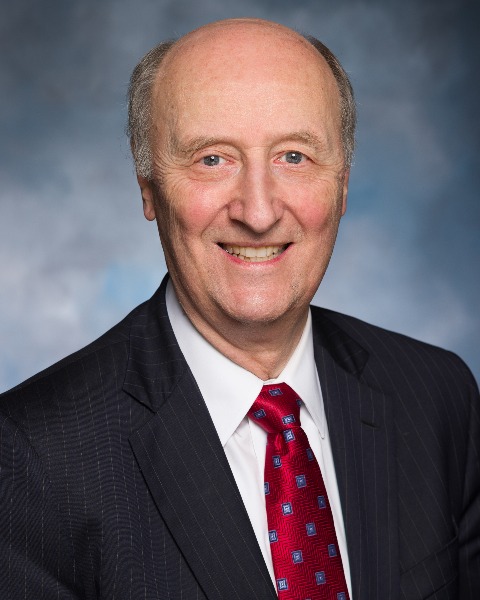
Henry A. Pitt, MD (he/him/his)
Chief of Oncologic Quality
Rutgers Cancer Institute
New Brunswick, New Jersey, United States
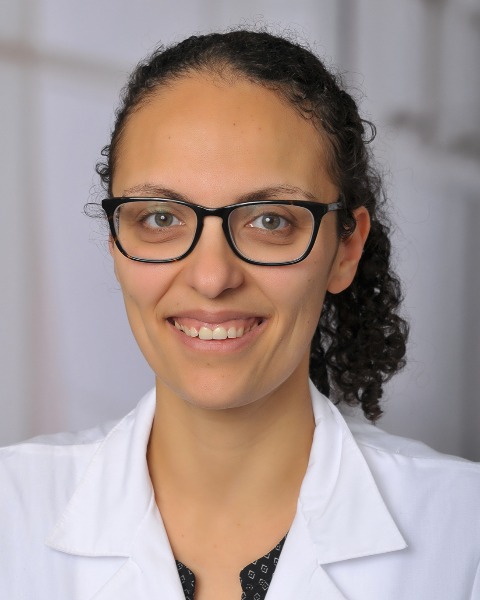
Mariam F. Eskander, MD, MPH (she/her/hers)
Assistant Professor of Surgery
Rutgers Cancer Institute
New Brunswick, New Jersey, United States

Hyerim Jang, MD, MPH
Surgical Resident
Rutgers Robert Wood Johnson University Hospital
New Brunswick, New Jersey, United States
Historically, most state Medicaid plans have not covered the costs of clinical trials, creating financial obstacles to participation for low-income people. The state of New Jersey (NJ) uniquely requires coverage of routine clinical trial costs for patients with Medicaid. This study assesses the interplay of insurance type and socioeconomic barriers under this policy, which is being enacted nationally.
Methods:
Insured NJ residents newly diagnosed with breast, colorectal, lung, pancreas, and prostate cancers from 2022-2025 at hospitals offering clinical trials were identified in the Vizient Clinical Database. The outcome of interest was clinical trial enrollment. Social vulnerability was defined using the Vizient Vulnerability Index (made up of 9 domains) in quartiles at the census tract level. Multivariable analysis was performed. A subset analysis among Medicaid patients explored the additive effect of social vulnerability through interaction analysis and identified social determinants barriers.
Results:
Of 213,879 patients, 56.1% had Medicare, 32.5% private, 6.4% Medicaid, 3.1% other, 1.6% charity care, and 0.3% VA/military insurance. 1.6% enrolled in a clinical trial. After adjusting for age, sex, race, Charlson Comorbidity Index, hospital type, metastatic disease, and social vulnerability, Medicaid patients were equally likely to enroll in a trial (aOR 0.92, 95% CI 0.79–1.08, p=0.3055; ref private) but VA patients were less likely (aOR 0.37, 95% CI 0.14–0.98, p=0.046; ref private). Living in the most socially vulnerable quartile also significantly decreased the odds of enrollment (aOR 0.72, 95% CI 0.64–0.80, p< 0.0001; ref least vulnerable). Treatment at academic hospitals significantly increased enrollment (aOR 4.66, 95% CI 4.35–5.23, p< 0.0001; ref community). Among Medicaid patients, those living in the least vulnerable neighborhoods had more than twice the odds of enrollment than the most vulnerable (aOR = 2.08, 95% CI: 1.30–3.35, p< 0.0001). Neighborhood resources and public safety were the most significant barriers to enrollment for patients with Medicaid (Table).
Conclusions:
In NJ, state-mandated coverage for clinical trials has eliminated insurance disparities in trial enrollment for Medicaid patients. This study offers encouraging insights into the potential for national Medicaid policy to enhance equity in clinical trial enrollment for low-income populations, while also highlighting persistent structural and neighborhood-level barriers that hinder participation.